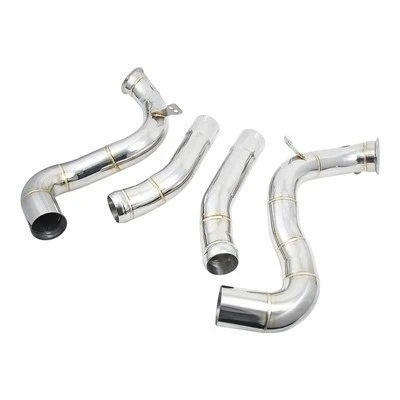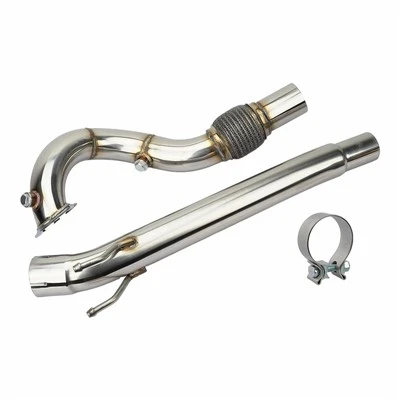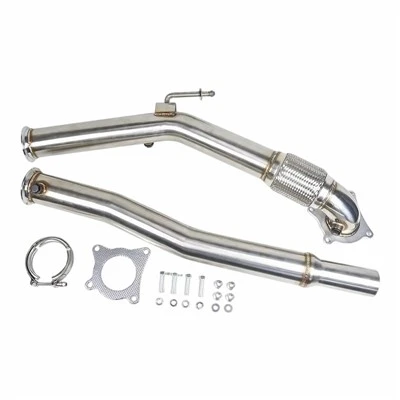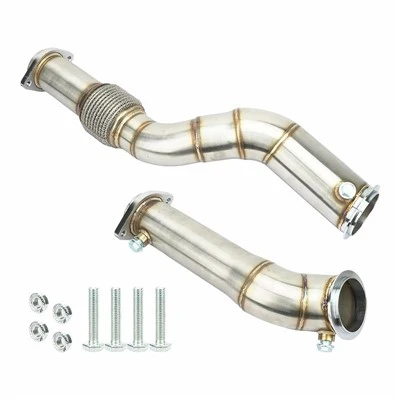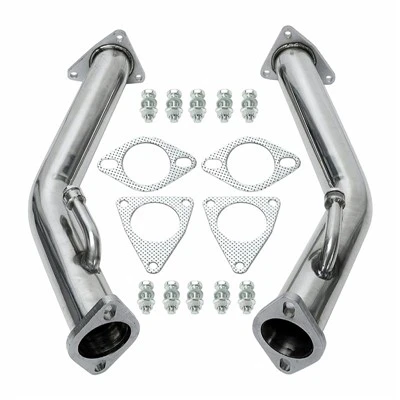
The three-way catalytic converter is the most critical post-combustion purification device in the exhaust system; its core consists of a honeycomb-structured ceramic or metal substrate coated with precious metal catalysts such as platinum, rhodium, and palladium. As exhaust gas passes through, the catalyst facilitates oxidation and reduction reactions at high temperatures, converting carbon monoxide, hydrocarbons, and nitrogen oxides into harmless carbon dioxide, water, and nitrogen. Achieving the high conversion efficiency required to reduce these three major pollutants by approximately 90% relies on a precisely controlled air-fuel ratio, which is realized through the coordinated operation of oxygen sensors providing real-time feedback to the engine control unit (ECU).
Oxygen sensors installed in the exhaust pipe monitor oxygen levels in the exhaust and relay signals to the ECU, which adjusts fuel injection quantities to maintain the optimal air-fuel ratio. Exhaust temperature sensors monitor exhaust gas temperatures in real time. Acting as the core of the entire emissions control system, the ECU processes signals from various sensors and controls parameters such as fuel injection and ignition timing.
The Exhaust Gas Recirculation (EGR) system redirects a portion of the engine's exhaust back into the intake system, where it mixes with fresh air before re-entering the combustion chamber. This process lowers peak combustion temperatures, thereby effectively suppressing the formation of nitrogen oxides.
Diesel Particulate Filters (DPFs) are primarily used in diesel engines; they feature a fine, porous microstructure designed to capture and store soot particles from the exhaust. Once particulate accumulation reaches a certain threshold, the system triggers a regeneration process-often by raising exhaust temperatures-to burn off and eliminate the trapped particles.
Mufflers attenuate exhaust noise by utilizing principles of sound wave reflection, interference, and absorption through complex internal designs involving baffles, chambers, perforations, and piping. Modern muffler systems increasingly feature modular quick-release designs, intelligent acoustic tuning, and adaptive sealing technologies to enhance maintenance efficiency and sealing reliability. Modern exhaust emissions control systems function as an integrated whole, relying on the coordinated operation of components such as catalytic converters, various sensors, the ECU, EGR valves, and diesel particulate filters.